Immune Balance
Healthy inflammation is not defined by activation alone. It depends on timing, proportion, control, and resolution.
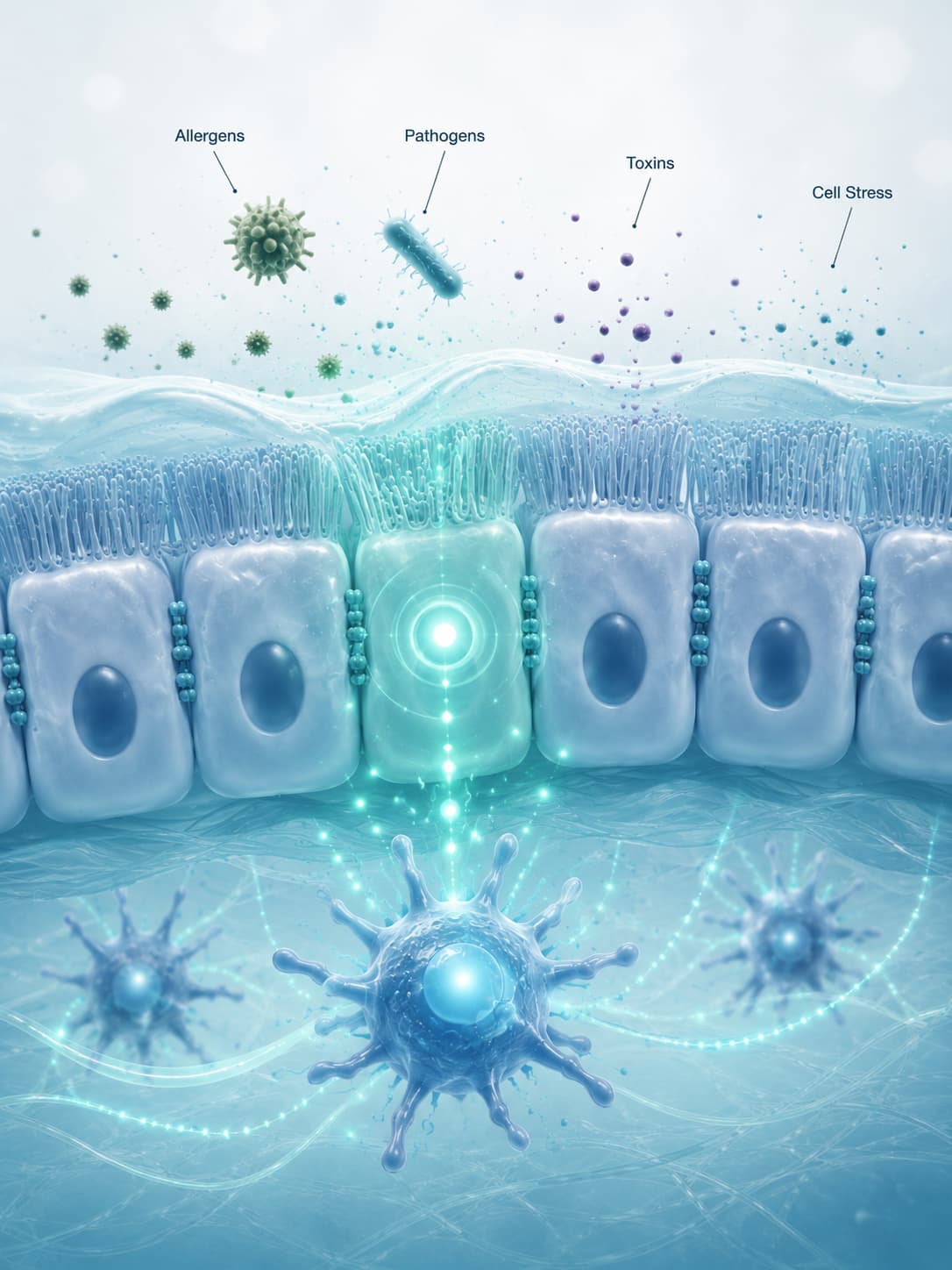
Detecting threat.
Immune systems continuously sense infection, injury, allergens, toxins, metabolic stress and tissue damage. Early signals trigger protective inflammatory responses designed to restore balance.
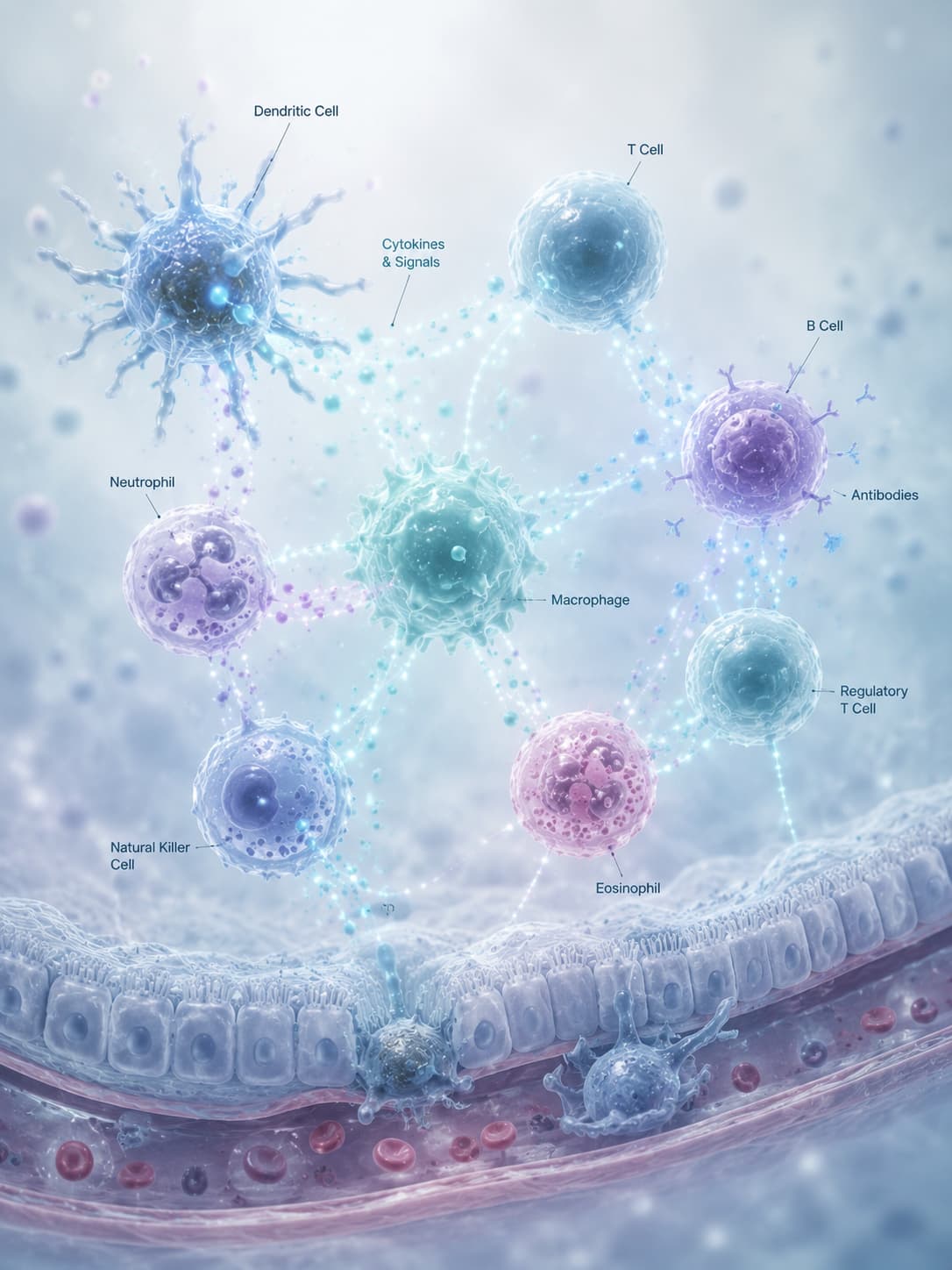
Coordinated defense.
Inflammation recruits immune cells, amplifies signalling and helps contain damage while supporting tissue repair.
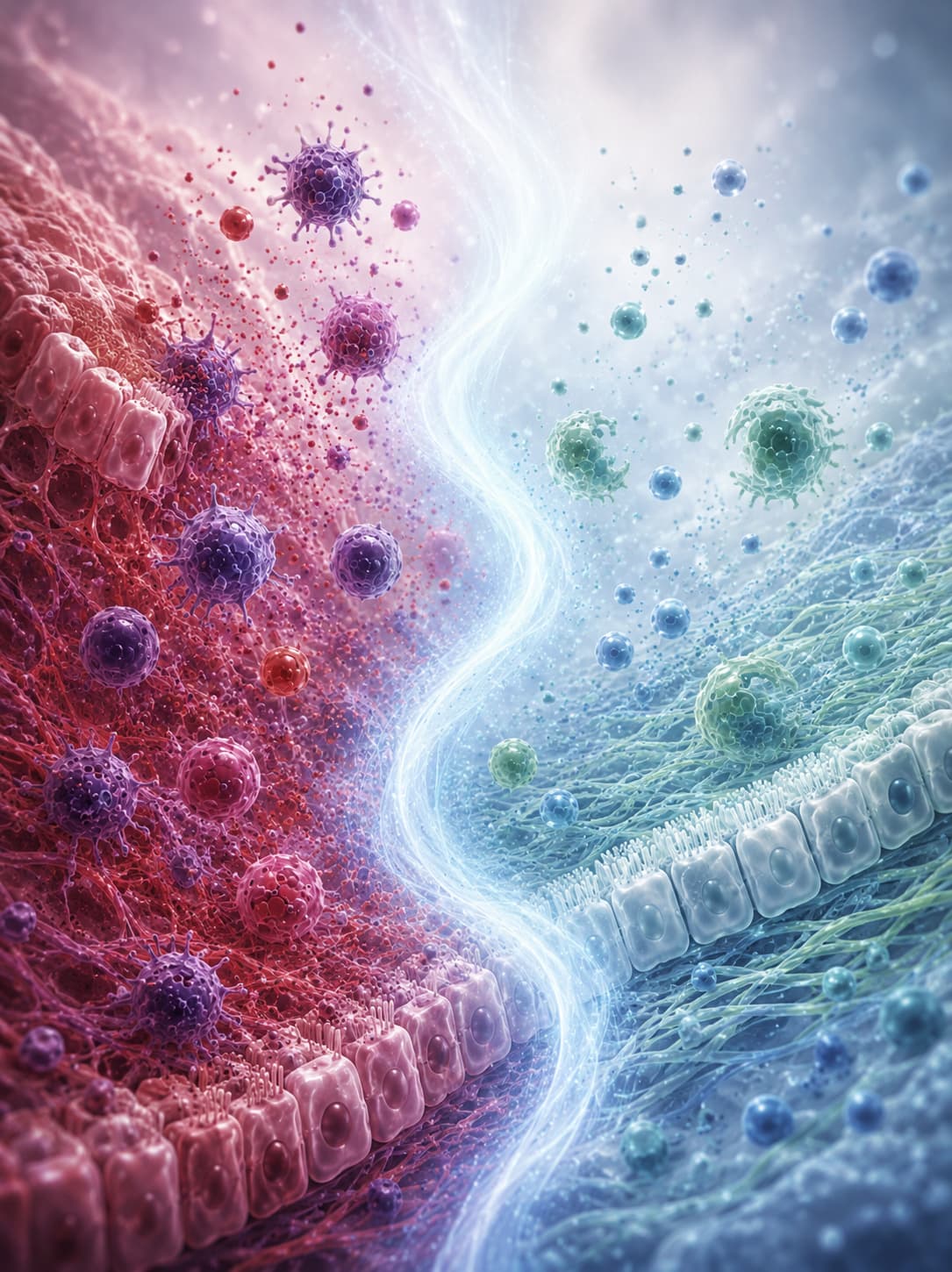
Resolution is active.
Healthy tissues actively suppress excessive inflammation, clear damaged cells and restore homeostasis after the threat has passed.
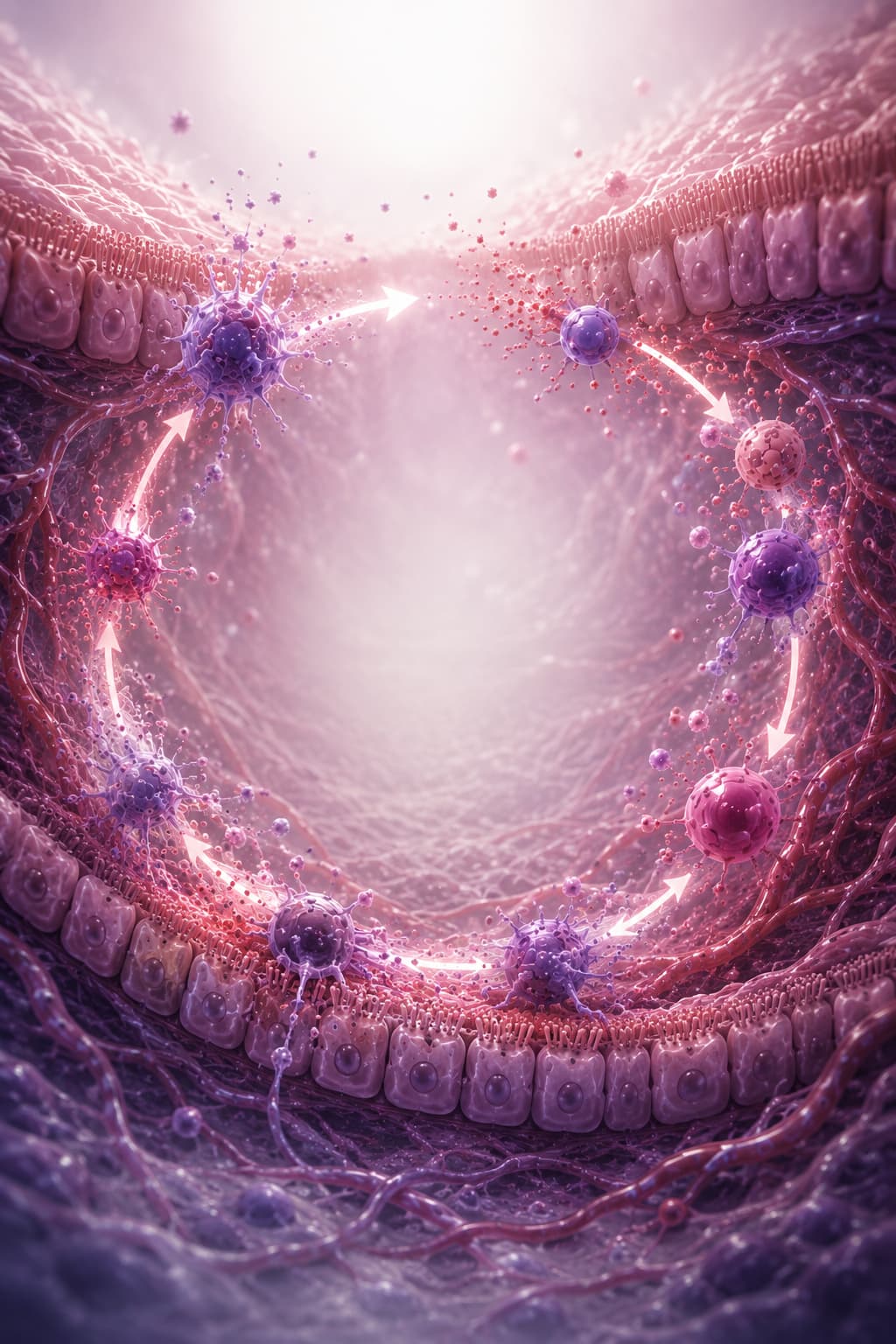
When balance fails.
Persistent inflammatory signalling can reshape tissue biology, amplify immune recruitment and drive chronic disease progression.
Immune-Mediated Disease
In immune-mediated diseases, protective inflammatory systems can become chronically activated. Signals designed to defend tissue begin amplifying themselves through persistent immune communication loops.


Upstream Control
Many therapies reduce downstream inflammation after disease biology is already established.
We believe the next generation of immune therapies should focus earlier - at upstream control points that shape how inflammation begins, amplifies and resolves.
Conventional Approach
Downstream suppression
Late
Reactive
Broad
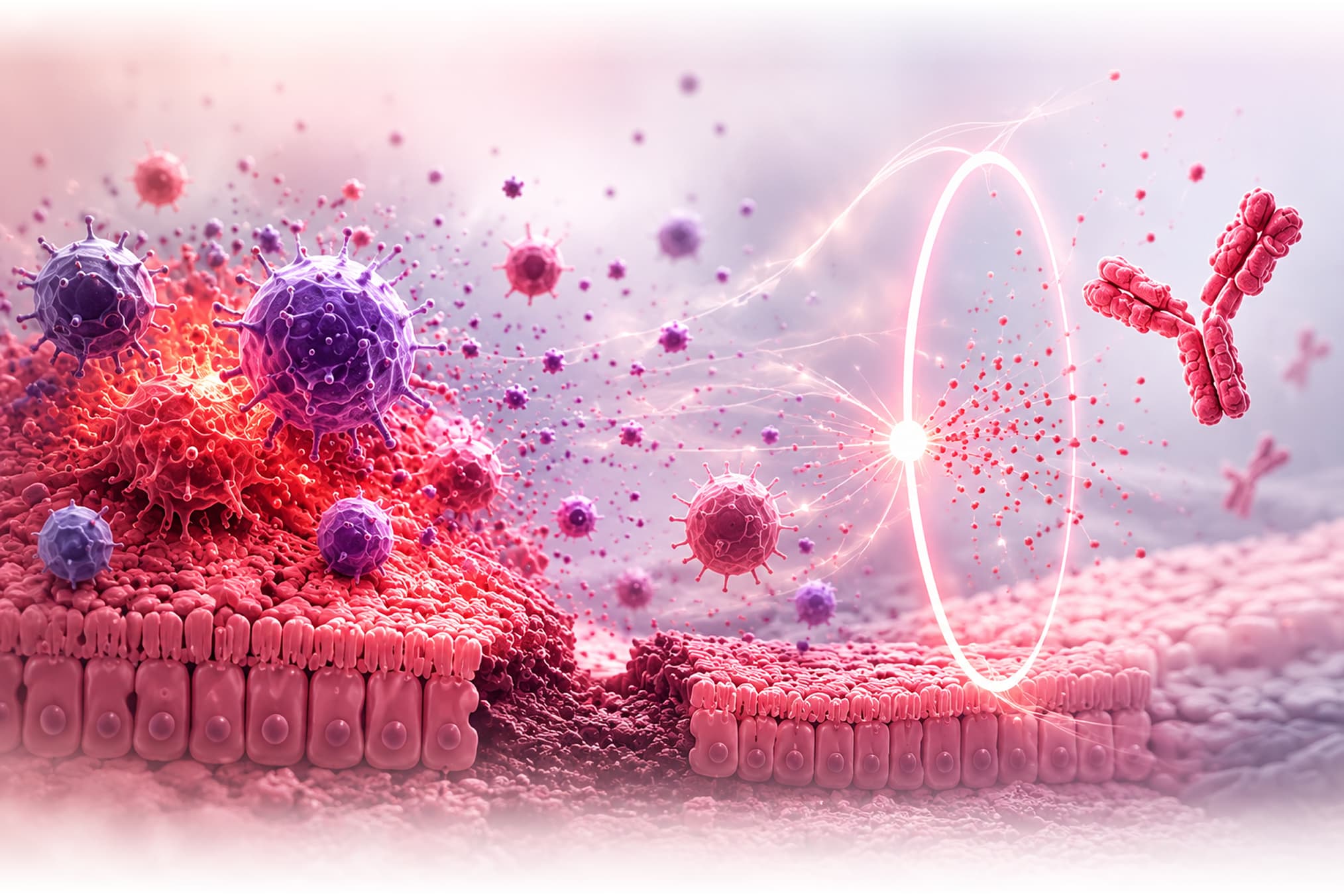
Symptom reduction
Acts after biology is established.
Late intervention
Disease drivers continue beneath.
Persistent drivers
Pathology can rebound on withdrawal.
Our Approach
Upstream modulation
Early
Precise
Restorative
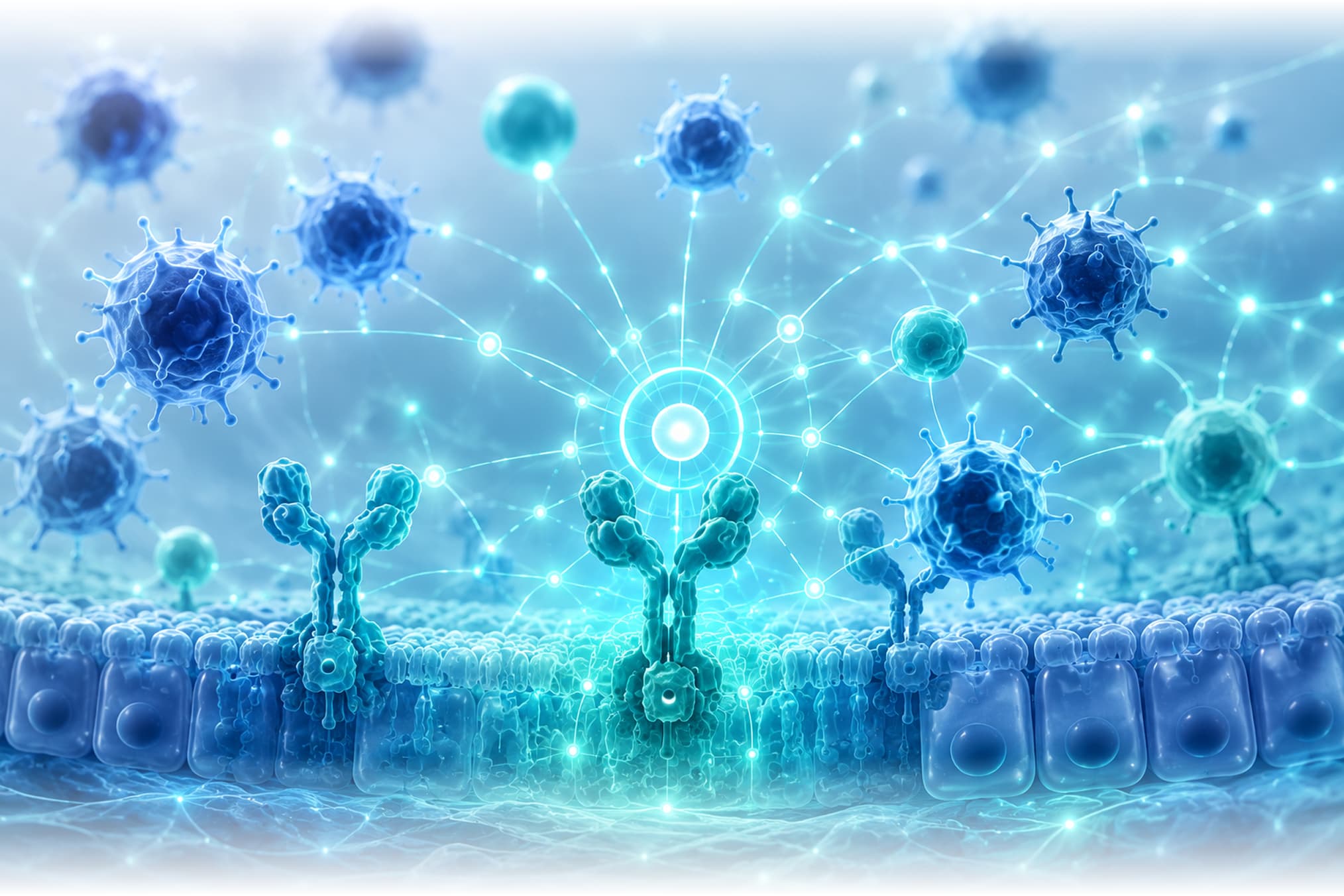
Earlier immune control
Engage biology before cascades amplify.
Reduced amplification
Fewer downstream consequences to chase.
Restored balance
Returns tissues toward homeostasis.
Shift the focus. Change the trajectory.
Control Inflammation upstream.
Precision Immunology
Not all inflammation is the same. The same immune pathway can protect tissue in one context and drive disease in another.
01
Which pathways matter
Causal contribution vs. correlation in disease biology.
02
Where signals originate
Tissue, cell and microenvironmental context.
03
When intervention matters
The temporal window where balance can be restored.
04
How balance can be restored
Modulating control points without broadly suppressing immunity.
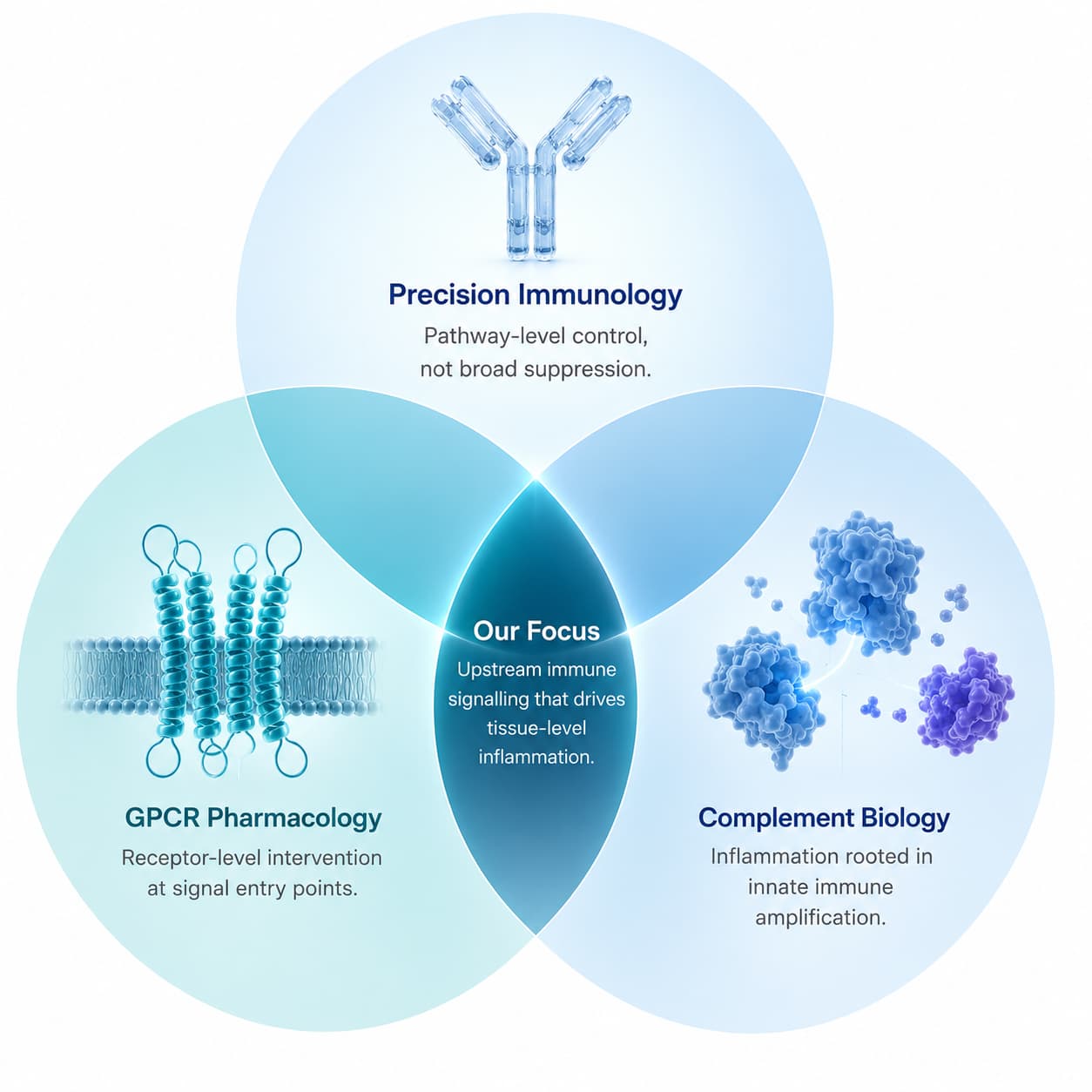
AshtaTx is focused on upstream immune signalling mechanisms that connect environmental triggers to tissue-level inflammatory responses.
Our scientific strategy sits at the intersection of:
Precision Immunology
Pathway-level control, not broad suppression.
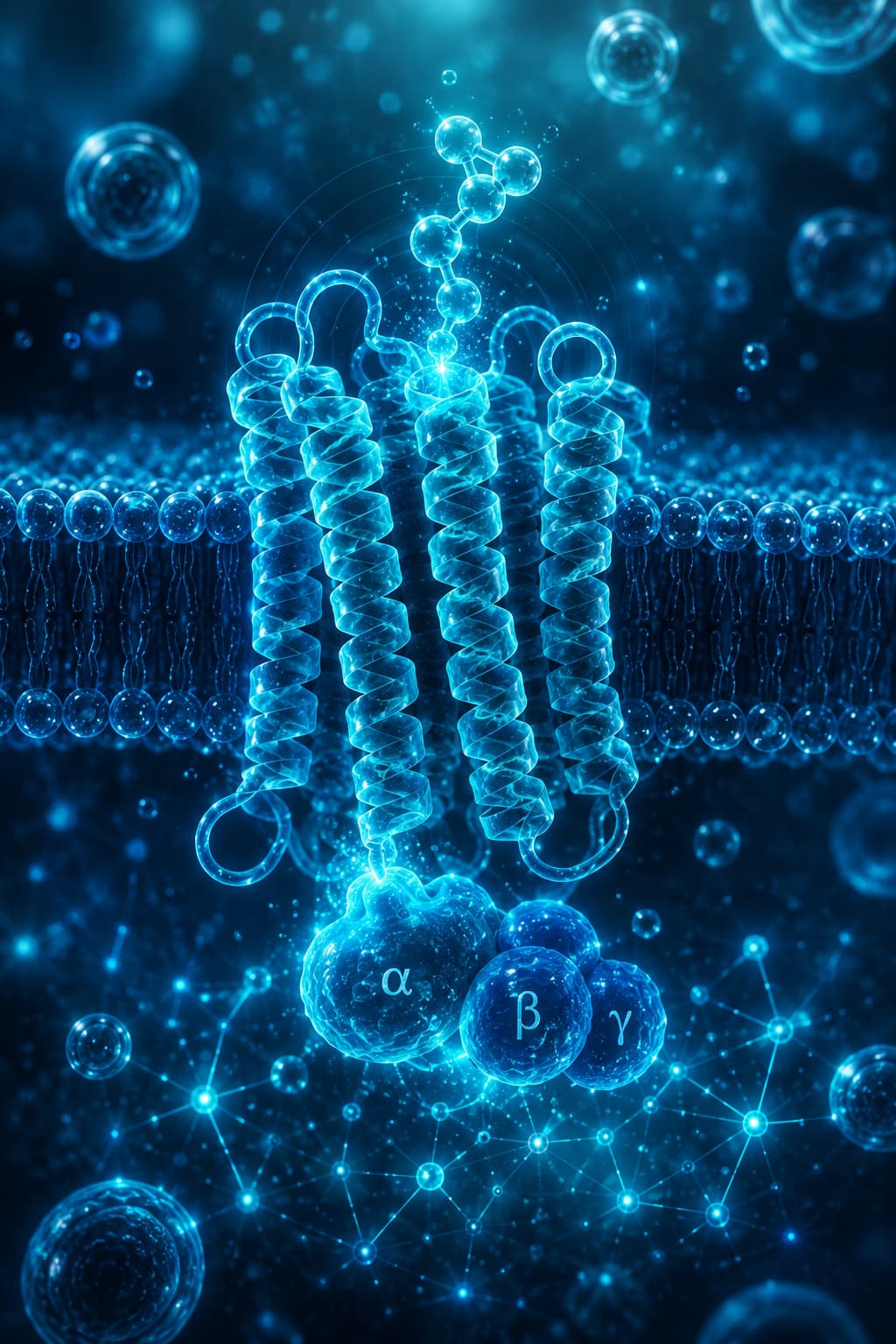
GPCR Pharmacology
Receptor-level intervention at signal entry points.
Complement Biology
Inflammation rooted in innate immune amplification.